Health
Scientists find how a common gut bacterium's toxin latches onto colon cells
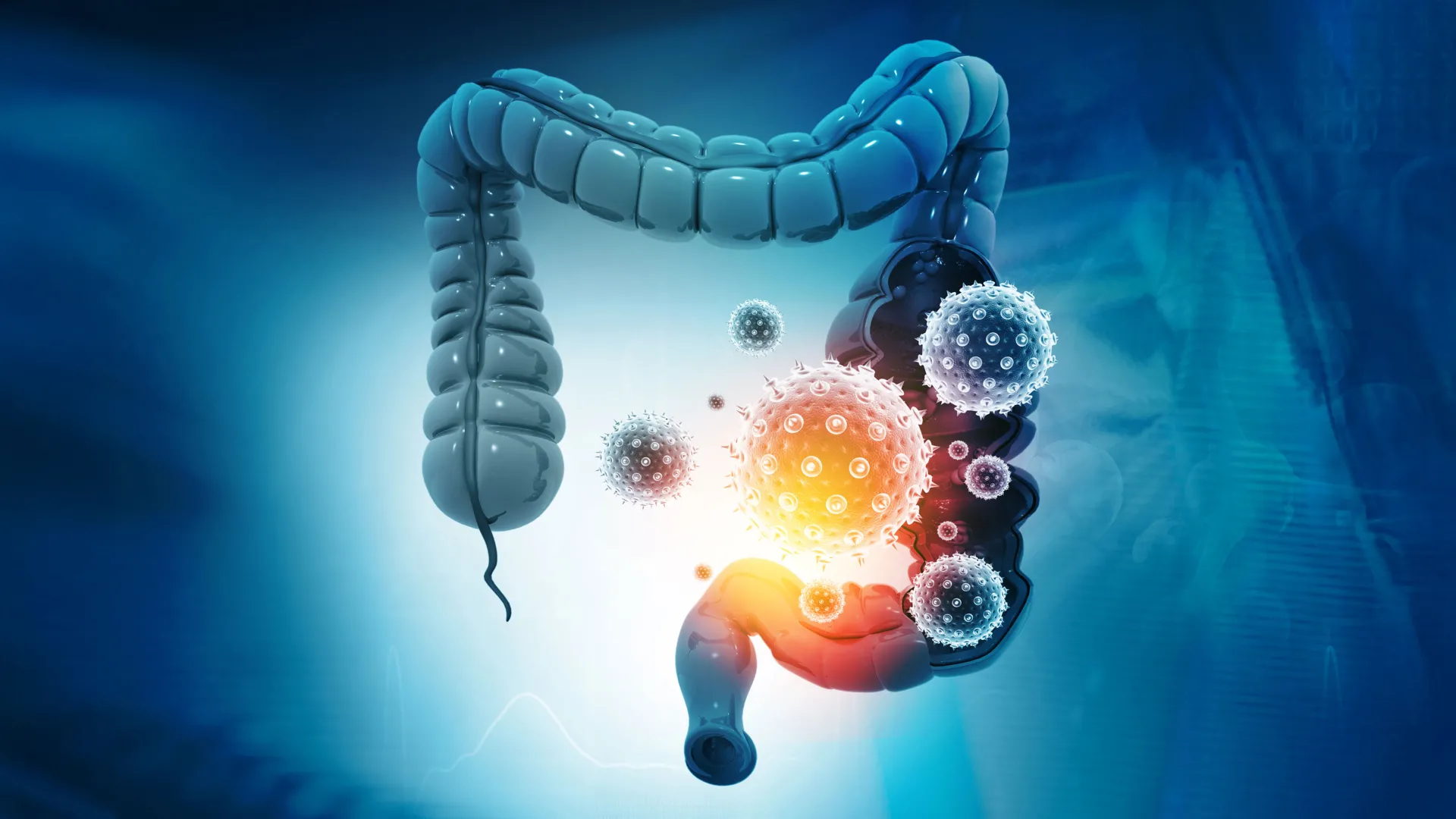
Johns Hopkins researchers have identified claudin-4 as the docking protein that lets a toxin from the gut bacterium Bacteroides fragilis attack colon cells, a step linked to colorectal cancer. Published in Nature, the study also describes a molecular decoy that intercepted the toxin and protected mice. The bacterium lives in the intestines of up to 20% of healthy people.
This summary is based on reporting by ScienceDaily.
Read the full story at ScienceDailyAdvertisement